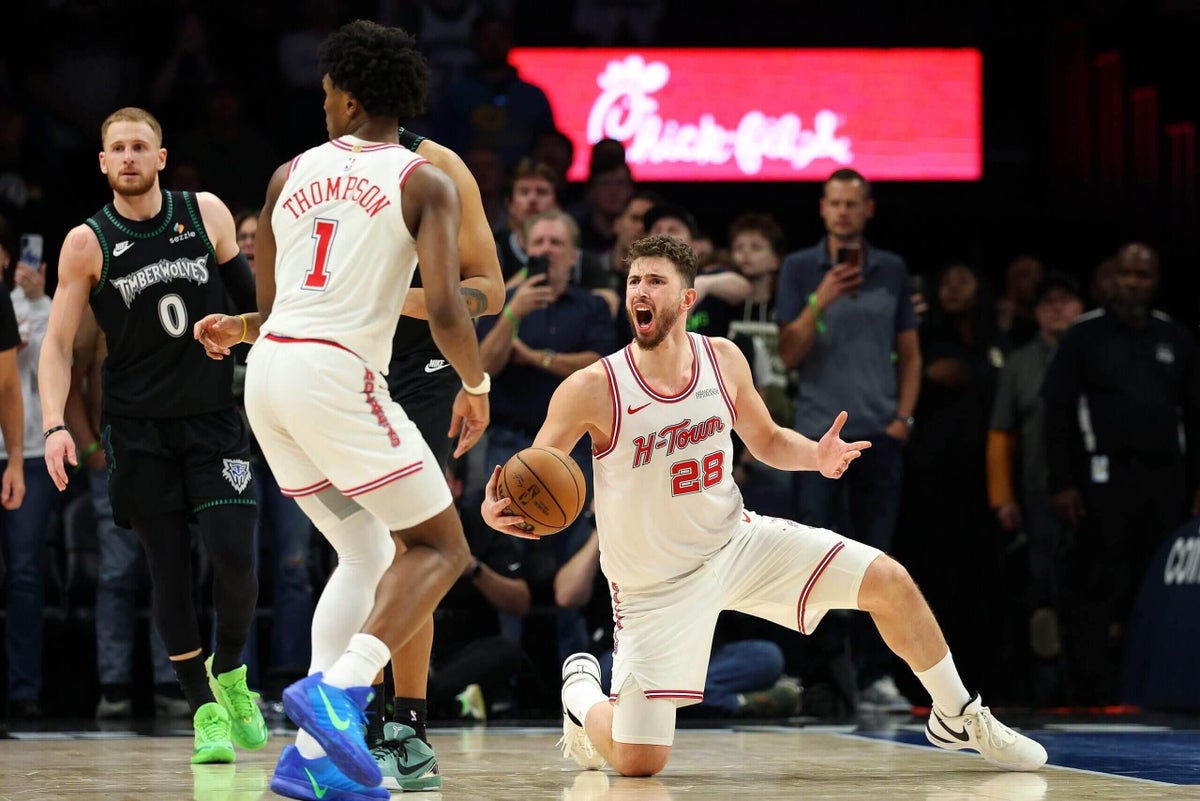
Houston Rockets: A Defensive Fortress Facing Offensive Puzzles
The Houston Rockets have carved out a distinct identity in the competitive landscape of the NBA. They are a team undeniably built on a foundation of robust defense and relentless rebounding, characteristics that often position them as formidable opponents. However, beneath this sturdy defensive exterior lies a compelling narrative of offensive struggles, creating a fascinating dichotomy that defines their performance. When the Rockets clash with a dynamic team like the Minnesota Timberwolves, these contrasting aspects come sharply into focus, making every
Rockets Vs Timberwolves encounter a strategic battle of wills.
At their best, the Rockets are a defensive juggernaut. They rank among the league's elite, allowing a mere 106.5 points per game, placing them third-best in the NBA. This stifling defense is not just about raw numbers; it’s a testament to their disciplined approach and ability to force opponents into difficult shots. Complementing this defensive prowess is their remarkable aptitude for forcing turnovers, averaging 14.2 per contest, which ranks them 12th in the league. These defensive takeaways often translate into transition opportunities, providing a crucial avenue for scoring that bypasses their half-court offensive challenges.
Beyond defense, the Rockets dominate the glass. They lead the entire NBA in total rebounds, snatching an impressive 49.7 boards per game. This control of the boards is a double-edged sword, feeding their defense by limiting second-chance points for opponents, while simultaneously fueling their own offense through offensive rebounding. Indeed, the Houston Rockets stand alone as the league's best in offensive rebounds, pulling down an astounding 15.0 per game. This statistic alone signals a commitment to extending possessions and creating invaluable bonus scoring opportunities, even when their initial shots don't fall.
The Rebounding Advantage: Second Chances and Pace Implications
The Rockets' league-leading offensive rebounding isn't just a statistical anomaly; it's a core component of their strategic playbook. These additional possessions are critical, especially for a team that has historically grappled with offensive efficiency. By securing offensive boards, the Rockets effectively manufacture extra chances for points, allowing their players more attempts at the rim or beyond the arc. This relentless pursuit of offensive rebounds also wears down opposing defenses, forcing them to expend more energy boxing out and fighting for position, which can lead to fatigue and open looks later in games.
However, this strength also highlights an interesting paradox. Despite their numerous second-chance opportunities, the Rockets rank second-worst in the NBA with just 22.5 assists per contest. This suggests that while they excel at prolonging possessions, the subsequent scoring attempts often stem from individual efforts rather than fluid team ball movement. The ability to convert these offensive rebounds into high-quality, assisted shots remains a key area for growth.
The pace of play is another critical factor, particularly in a
Rockets Vs Timberwolves matchup. The Timberwolves, especially when playing at home, are known for their fast-paced offensive attack, ranking as the 3rd-quickest pace-of-play team in the league over the last 25 home games. This up-tempo style could paradoxically benefit the Rockets. While Houston typically plays at a more deliberate pace, their road offense has shown flashes of speed, ranking 8th-speediest over their last 5 away games. This confluence of paces suggests a high-possession game, offering both teams more opportunities to score and showcase their respective strengths. More possessions could mean more offensive rebounds for the Rockets, but also more defensive challenges against a quick-striking Wolves team. For a deeper dive into the high-octane nature of this particular matchup, you might want to delve into
Rockets vs. Timberwolves: A High-Pace Rebounding Battle.
Navigating Offensive Roadblocks and Exploitable Matchups
Despite their defensive and rebounding prowess, the Rockets' offensive struggles are undeniable. Over their last 10 games, they've been one of the league's lowest-scoring offenses, ranking 4th in the NBA. This trend underscores a persistent challenge: transforming their defensive stops and extra possessions into consistent, high-efficiency scoring.
Individually, however, some Rockets players have shown promising offensive upticks. Amen Thompson, for instance, has elevated his scoring, averaging 21.7 points per game over his last 10 outings, a significant jump from his season average. Similarly, Reed Sheppard has increased his scoring output to 16.7 points per game over his last 15 games. These individual surges could provide much-needed offensive sparks, but the team's overall offensive scheme needs to find ways to leverage these performances more effectively within a cohesive unit.
Against the Rockets, opponents have identified specific vulnerabilities. Starting Power Forwards, for example, have attempted 5.4 foul shots per game against Houston this year, the 2nd-highest mark in the NBA, indicating that the Rockets tend to foul PFs frequently. Moreover, when Houston is on the road, opposing starting Point Guards have found success from beyond the arc, tallying the 10th-most treys per game (2.3) and achieving the 9th-highest Field Goal% (45.5%). They also attempt a significant 5.2 free throws per game, ranking 5th-most in the league. This suggests that opposing PGs can effectively score and draw fouls against the Rockets on the road. Even opposing starting Small Forwards have a favorable matchup, hitting 2.4 threes per game (3rd-most) when the Rockets are the visiting squad.
Conversely, the Minnesota Timberwolves present their own set of defensive challenges and exploitable tendencies. The matchup against Minnesota is particularly tough for opposing PGs, who have posted the lowest Field Goal% in the NBA (39.8%) this year, highlighting the Wolves' perimeter defense. However, the Timberwolves can be susceptible to fouls, with opposing starting Shooting Guards attempting a colossal 3.6 free throws per game over the last 5 home games, ranking 6th-most in the league. This could be an area for the Rockets to attack. For a deeper dive into how foul shots and perimeter shooting could swing the game, check out
Wolves vs. Rockets: Free Threes, Free Throws, and Prop Bet Insights.
Key Player Matchups and Strategic Considerations for Rockets Vs Timberwolves
In any
Rockets Vs Timberwolves contest, individual player performances and strategic matchups are paramount. For the Timberwolves, Rudy Gobert's presence in the paint is always a factor, and his scoring has seen an uptick at home, averaging 15.0 points over his last 10 home games. His ability to anchor the defense and contribute offensively will be crucial. Similarly, Ayo Dosunmu has been on a scoring tear, averaging 18.8 points over his last 5 games, well above his season average. The Rockets will need to key in on these hot hands.
From Houston's perspective, the strategy must revolve around maximizing their strengths while mitigating their weaknesses. To counteract the foul trouble often encountered against opposing PFs, the Rockets might need to emphasize more disciplined interior defense or adapt their defensive rotations. On offense, leveraging their league-best offensive rebounding to generate second-chance points, especially through players like Amen Thompson who are currently in a scoring rhythm, becomes vital. They could also look to exploit the Timberwolves' tendency to send opposing SGs to the free-throw line, focusing on drives and aggressive play from their own two-guards.
For the Timberwolves, exploiting the Rockets' vulnerabilities to opposing PGs and SFs from beyond the arc and at the free-throw line will be a key offensive strategy. Pushing the pace to generate more possessions, a natural inclination for them at home, will also pressure the Rockets' defense and potentially lead to more foul opportunities against their PFs.
Actionable Tips for Both Sides:
- For the Rockets:
- Embrace the Grind: Double down on offensive rebounding and focus on converting those second-chance opportunities with better shot selection and passing.
- Perimeter Defense Adjustment: Prioritize denying three-point opportunities to opposing PGs and SFs, especially when on the road.
- Aggressive Guard Play: Encourage starting SGs to attack the rim against the Wolves to draw fouls, given Minnesota's recent trend.
- For the Timberwolves:
- Exploit PG/SF Matchups: Encourage starting PGs and SFs to be aggressive offensively, focusing on driving for fouls and taking advantage of three-point opportunities against the Rockets.
- Maintain High Pace: Leverage their home court advantage and quick pace to exhaust the Rockets and generate more scoring possessions.
- Box Out Discipline: Counter Houston's elite offensive rebounding with heightened focus on boxing out and securing defensive boards.
Conclusion: Charting the Path Forward
The Houston Rockets remain a team of intriguing contrasts. Their formidable defense and unparalleled rebounding prowess provide a solid foundation, allowing them to compete with any team on any given night. However, their persistent offensive struggles present a significant hurdle to consistent success. In a matchup against the Minnesota Timberwolves, these dynamics are magnified. The Wolves' up-tempo offense and specific defensive strengths against PGs will test the Rockets' ability to impose their will defensively, while their own vulnerabilities to fouls and perimeter shooting will demand disciplined execution.
Ultimately, the outcome of any
Rockets Vs Timberwolves game will likely hinge on which team can better leverage its strengths and exploit the other's weaknesses. For the Rockets, balancing their defensive might with more consistent, efficient offense remains the critical path forward, transforming their second chances into undeniable points and proving that a defensive powerhouse can also become a formidable offensive force.